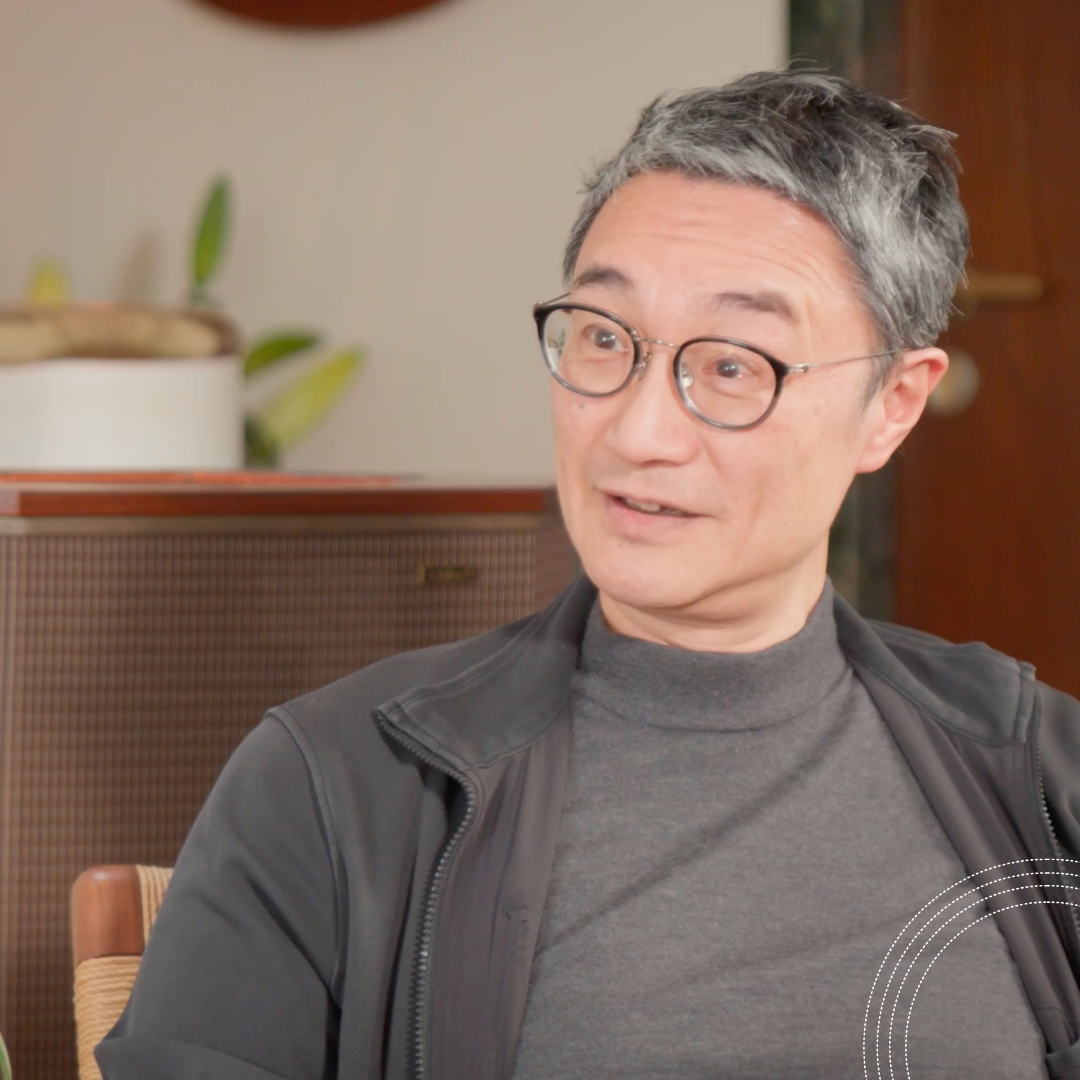
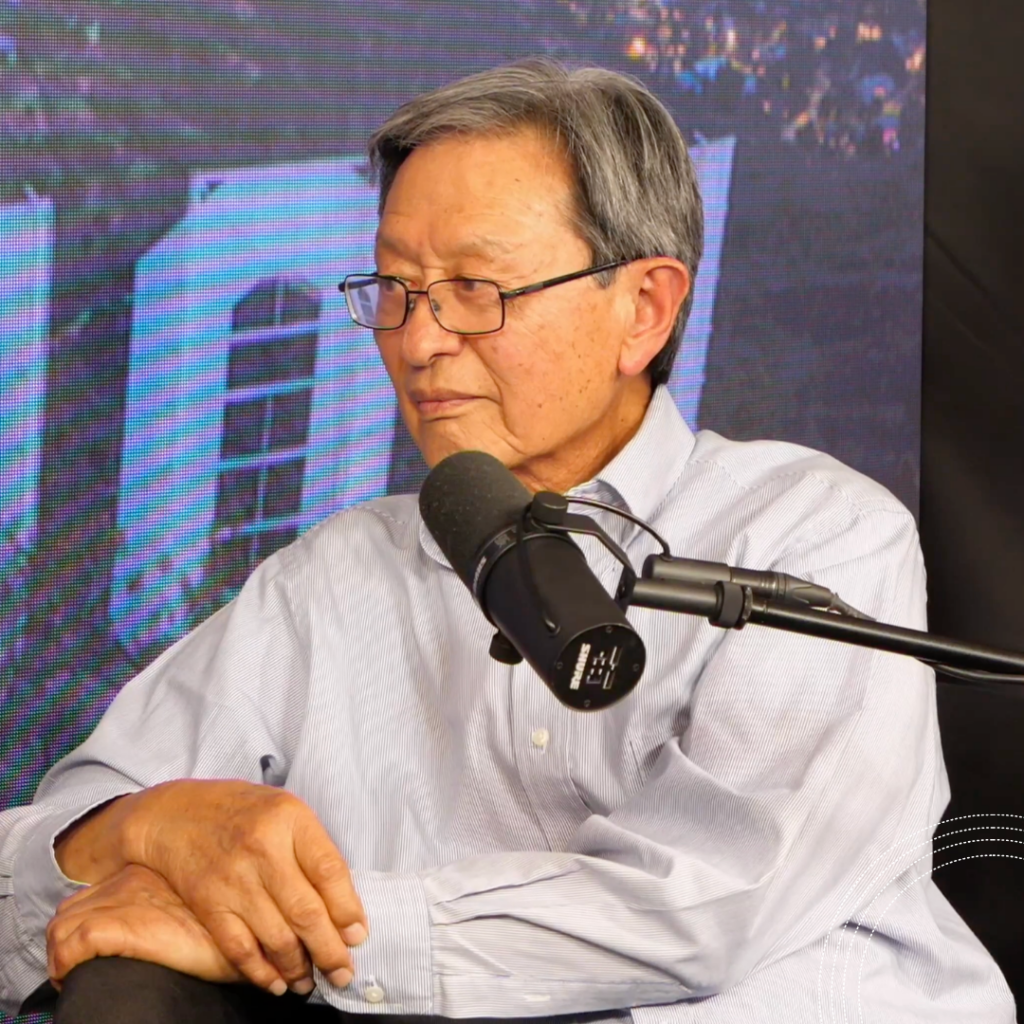
Charles N. Li is a distinguished Chinese-American linguist, author, and scholar whose work has significantly shaped the study of Chinese linguistics, discourse analysis, and language typology. A longtime professor at the University of California, Santa Barbara—where he also served as Dean of the Graduate Division—Li is internationally recognised for advancing functional approaches to grammar and for deepening scholarly understanding of Mandarin Chinese structure and use. He co-authored, with Sandra A. Thompson, Mandarin Chinese: A Functional Reference Grammar (1981), widely regarded as one of the most authoritative and comprehensive descriptions of Mandarin grammar in English. Grounded in authentic discourse data, the book helped redefine how Chinese grammar is analysed and taught. Li also played a central role in shaping typological research through his influential work on topic-prominent languages. His edited volume Subject and Topic (1976) and his co-authored chapter “Subject and Topic: A New Typology of Language” established enduring distinctions between subject-prominent and topic-prominent language structures, contributing substantially to cross-linguistic studies of syntax and information structure.
Beyond linguistics, Li has written across genres, demonstrating a deep engagement with Chinese history and culture. His memoir, The Bitter Sea: Coming of Age in a China Before Mao, offers a vivid and personal account of his youth during a period of profound political and social upheaval in China. More recently, he authored Lord Guan, a historical novel that reimagines the life and legend of Guan Yu—the revered general from the Three Kingdoms era—exploring themes of loyalty, righteousness, and moral courage, and reflecting Li’s longstanding interest in how cultural icons shape ethical values and collective identity. In recent years, his intellectual pursuits have extended into interdisciplinary research on the biological foundations and evolutionary origins of language, bridging linguistics with neuroscience and cognitive science. Across his scholarship and creative writing alike, he consistently emphasizes the relationship between language, culture, and human experience.
In his conversation with Pearl Lam on The Pearl Lam Podcast, Li reflects on the historical forces that shaped modern China while interweaving his own journey across mainland China, Hong Kong, and the United States. The discussion explores the enduring influence of figures such as Lord Guan and Confucius, the economic and social realities of mid-20th-century life, and the challenges of cultural negotiation, prejudice, and institutional barriers. Bridging Eastern and Western perspectives, Li offers thoughtful insight into how history, education, ethics, and identity continue to inform personal and collective life in an increasingly interconnected world.