





















Crazy Rich Asians broke more than box-office records. It challenged how Chinese identity could be represented in mainstream entertainment.
It’s a book I could never put down!
Congratulations again, Kevin!
#PearlLam #KevinKwan #CrazyRichAsians #HBO #ChineseCulture
When Kevin Kwan told me that Crazy Rich Asians was preparing for television production, I was delighted to hear it. And now, with the HBO series officially announced, it’s wonderful to see those plans becoming a reality!
Congratulations, Kevin. I’m so pleased to see Crazy Rich Asians ...continuing to find new audiences around the world.
#KevinKwan #CrazyRichAsians #HBO #PearlLam #WealthOffice
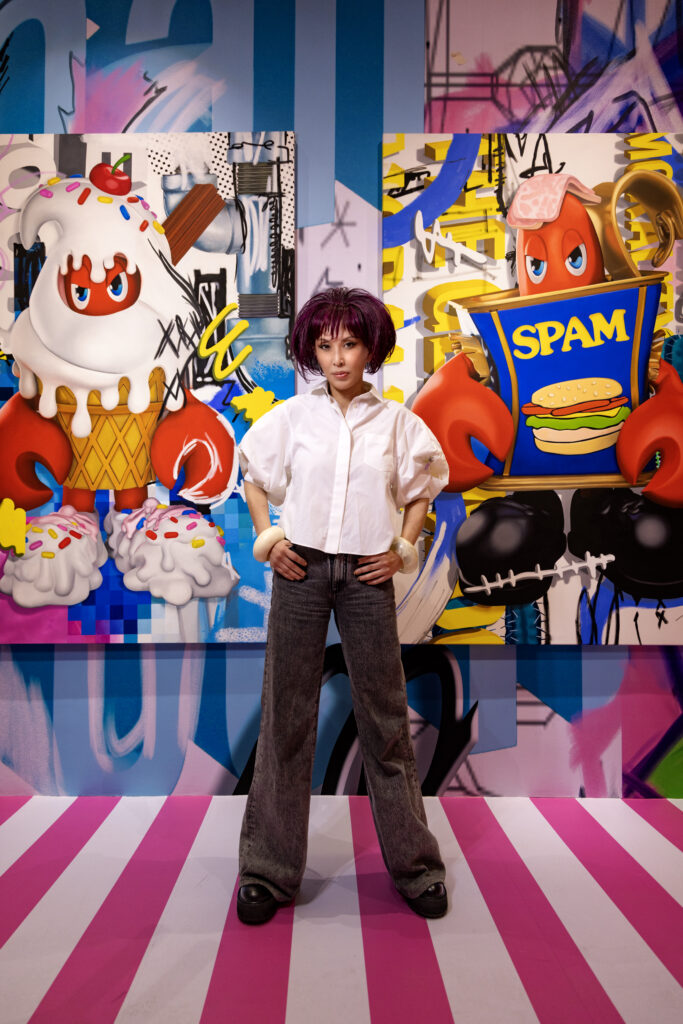
One of my most popular comments is always about my hair.
It actually started as an accident...
One day I came home bored, picked up a pair of scissors and started cutting my own hair. It was such a mess that when I went to my hairdresser, it was hopeless.
However, the ...colours are no accident at all. They come from my fortune teller and feng shui.
The whole story is now available on my YouTube channel.
One of the greatest privileges of travelling is being welcomed into someone else’s creative world.
While in Istanbul, I had the pleasure of visiting artist Hazal Haznedaroğlu in her studio.
There is something very intimate about seeing an artist’s work in the place where it ...is made. You notice the details, the materials, the works still in progress, and the atmosphere that surrounds the process before anything reaches a gallery wall.
Meeting Hazal and spending time with her work was a lovely reminder of how much more you understand when you encounter creativity at its source.
#PearlLam #HazalHaznedaroglu #IstanbulArt #ArtistStudio #ContemporaryArt
Istanbul’s culture has accumulated over millennia. The Gulf is building its own through investment at enormous scale.
I asked Ali Güreli whether money alone can create cultural power. His view is that capital can accelerate a great deal. It funds acquisitions and gives younger people ...the chance to build careers in culture. For Istanbul, he sees more partners in the region rather than a rival.
Whether money can buy the time that culture usually takes is another matter.
#PearlLam #ThePearlLamPodcast #Istanbul #CulturalPower #ArtWorld
In 2016, Contemporary Istanbul opened just 60 days after the coup attempt in Turkey. Many people thought the timing was wrong. Ali Güreli told me it became one of the fair’s most successful editions.
His argument is that confidence comes from continuity. Collectors need to believe a ...fair will still be there next year, and the ones who grew with it went on to shape many artists’ careers.
Full conversation on The Pearl Lam Podcast.
#PearlLam #ThePearlLamPodcast #ContemporaryIstanbul #ArtMarket #ContemporaryArt
Is the art world becoming too diluted?
Ali Gürel believes Art Basel’s expansion into more and more cities has come at a cost to quality, which is why he intends to keep his own fair to no more than 80 galleries. In his view, collectors will decide which fairs endure, and many already ...skip the halls for studio visits and private appointments.
What do you think?
#ArtBasel #ArtFair #GlobalArtScene #ArtMarket #GalleryLife
Istanbul exists as more than just a destination; it’s a living testament to millennia of layered history, craftsmanship, and ambition.
In the first live episode of The Pearl Lam Podcast, recorded at Contemporary Istanbul, I sat down with Ali Güreli, the fair’s founder and Chairman, ...to discuss all things Istanbul, culture and art, starting with what the city still needs to prove, and to whom.
Full conversation on The Pearl Lam Podcast.
#PearlLam #ThePearlLamPodcast #Istanbul #ContemporaryIstanbul #ArtWorld
A dinner party can fall apart before anyone sits down.
The best protection is the guest list itself. Invite people from different industries, so they have something new to say to one another. For me, conversation is the most important part of any dinner. The food matters very much as well,... but it is the conversation people remember.
The rest of my hosting advice is on YouTube.
#PearlLam #DinnerParty #Hosting #TheArtOfHosting
My advice to new collectors is not what I practice.
The logical advice, the one everyone will give you, is to do your research before you buy any art. It is sensible, and I would never tell you to ignore it.
I buy what I like. I follow my heart and my passion, and I don’t care ...whether a work has any value or not.
More on how I collect in the full video, only on The Pearl Lam YouTube Channel.
#PearlLam #ArtCollecting #ArtCollector #ContemporaryArt
The first ever live recording of The Pearl Lam Podcast took place two weeks at Contemporary Istanbul (Contemporary Istanbul)
I asked CEO Ali Gürelii what Istanbul still needs to prove, and to whom. We discussed why artists are so often validated abroad before they are taken seriously at ...home, and whether money alone can create cultural power.
Thank you to Ali Güreli (Ali Güreli)for sharing the stage with me, and the team working diligently behind the scenes and of course, the incredible artists showcasing their work.
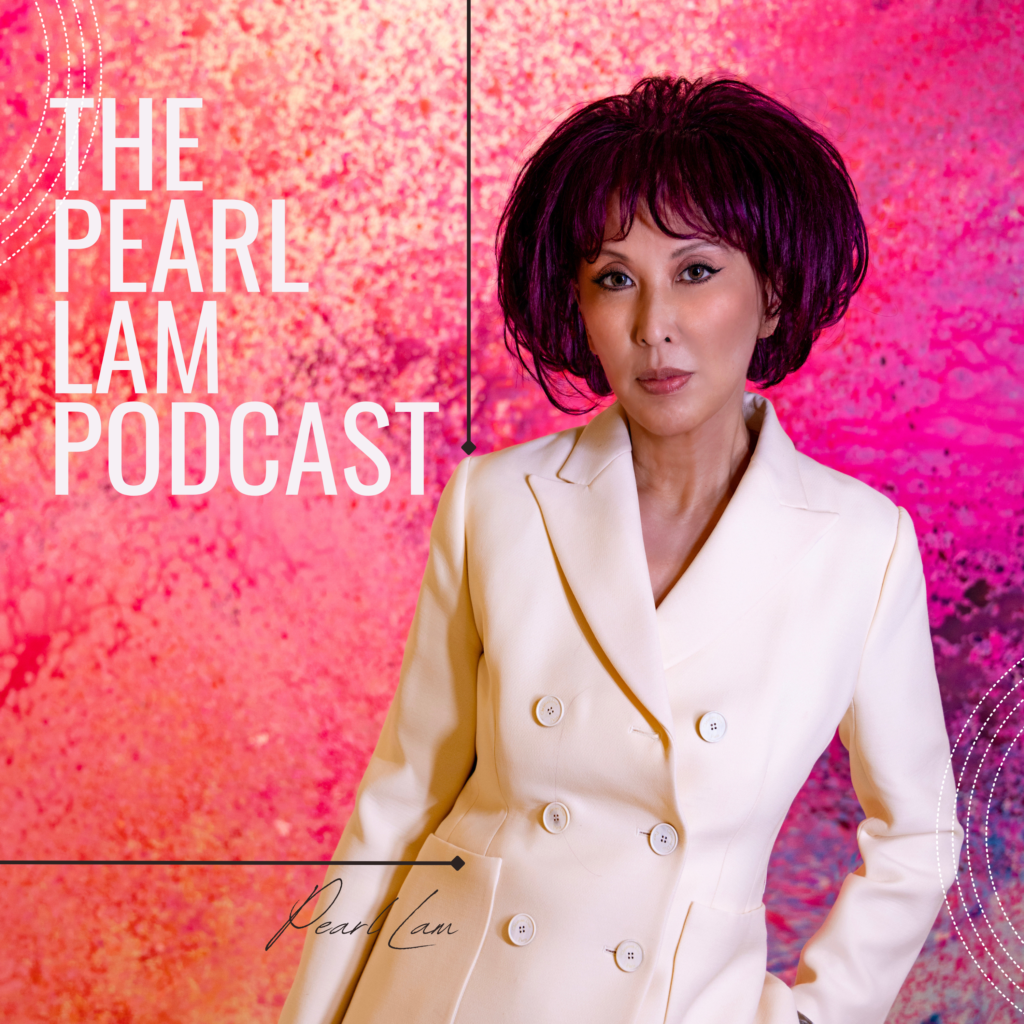
The full episode is live now, onyl on The Pearl Lam Podcast.
#PearlLam #ContemporaryIstanbul #IstanbulArt #ContemporaryArt #ArtWorld
Passion comes before courage.
I was asked how to find the courage to follow a dream, and my answer is that without passion, it’s hard to follow anything. You have to feel it first.
After that, you need determination and belief in yourself. Without those, the road is tough, and ...it becomes very easy to give up before you discover what you are capable of.
Waiting to feel brave is a mistake. Find what you truly care about, and the courage tends to follow.
Watch the full video on YouTube, link in bio.
#PearlLam #Advice #Passion #Courage #Motivation
Can changing the architecture of a museum change the way we look at art?
I was curious to find out when I visited LACMA’s newly opened David Geffen Galleries in Los Angeles, designed by Peter Zumthor.
Rather than presenting art through a straightforward chronology, the galleries... encourage connections between different cultures, periods and forms of making.
I moved from Mughal decorative arts and an 18th-century Chinese court robe to Californian art and contemporary sculpture. Seeing such different objects in proximity makes you notice relationships that might otherwise be missed.
Museums inevitably influence how we understand the objects they contain. The decision to place one work beside another, or to separate cultures and periods entirely, is never completely neutral.
I enjoyed seeing LACMA challenge some of those conventions. A new museum should perhaps give us new ways of looking, not simply new walls in which to display familiar things.
#PearlLam #LACMA #DavidGeffenGalleries #PeterZumthor #LosAngeles
On this week’s episode of The Pearl Lam Podcast, Tosin Oshinowo challenges the assumption that African aesthetics have always been defined by vivid colour, elaborate pattern and maximalism.
Instead, she points to traditions of restraint, simple forms and materials used honestly, while ...some of the visual codes now associated with the continent arrived through much more complicated histories of trade and exchange.
It’s a fascinating example of how repetition can turn an interpretation into an apparent truth.
Discover the full conversation on The Pearl Lam Podcast.
#PearlLamPodcast #TosinOshinowo #AfricanDesign #Architecture #DesignHistory
What if constraint creates better ideas than abundance?
Tosin Oshinowo sees Lagos as a city where constant adaptation has produced extraordinary creativity across architecture, fashion, music and design.
When people cannot rely on perfect systems or unlimited resources, they are ...forced to invent.
And perhaps that is precisely what makes Lagos so creatively interesting.
Discover the full conversation on The Pearl Lam Podcast.
#PearlLamPodcast #TosinOshinowo #Lagos #Creativity #AfricanDesign


