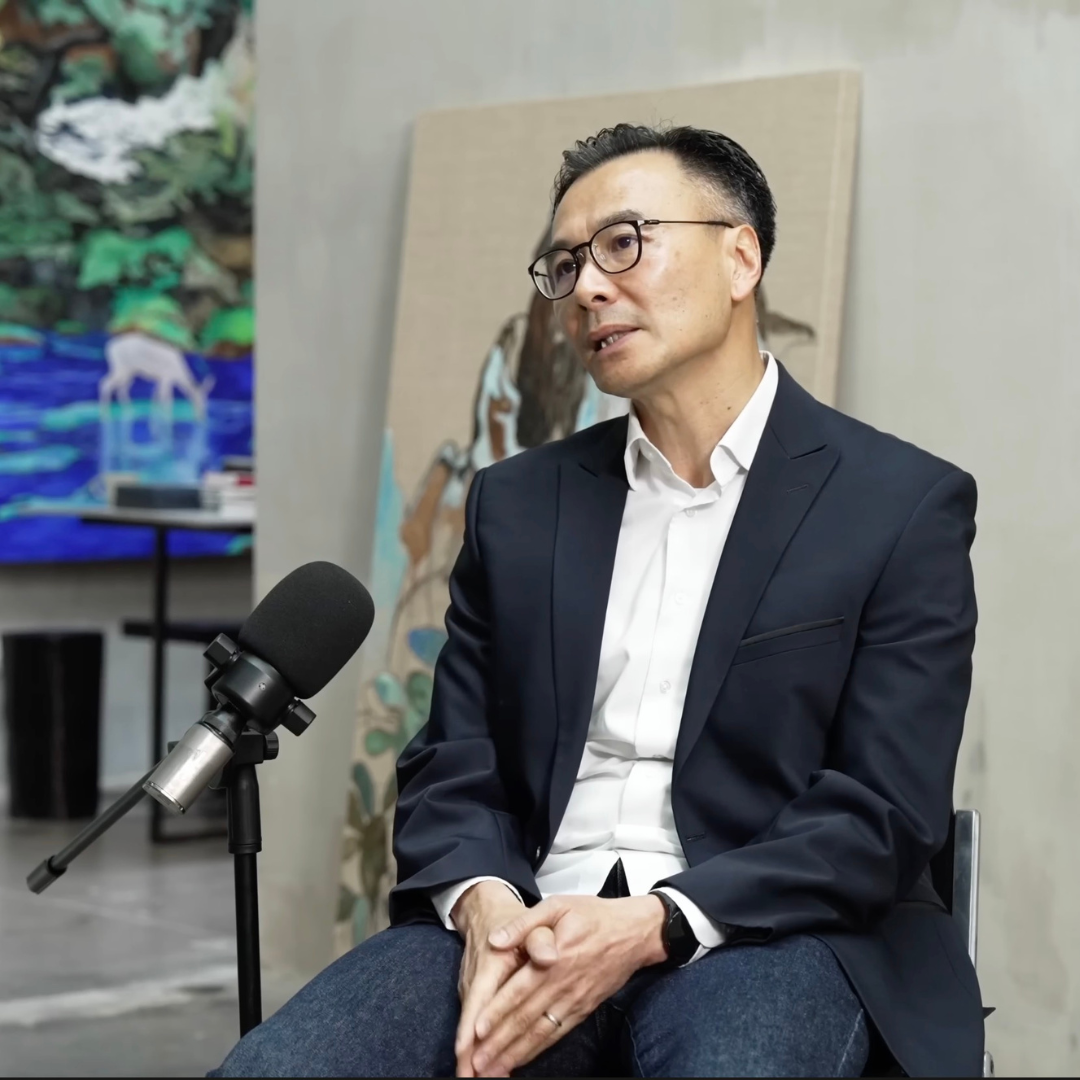

Daniel McClean is a distinguished art and cultural property lawyer whose work bridges legal practice, scholarship, and curatorial engagement. Based in London and Los Angeles, he advises a global clientele — including artists, estates, collectors, dealers, galleries, museums, and foundations — on a wide range of art market matters, from high-value transactions and ownership or export disputes to questions of authenticity and intellectual property.
Beyond litigation and advisory work, McClean is deeply embedded in the cultural life of the art world. He is actively involved as an independent curator and writer, with commercial gallery experience that informs his understanding of how art is created, exhibited, and circulated. He writes regularly on legal and cultural issues for ArtReview and Frieze, and also contributes to The Art Newspaper, offering insight into the evolving legal, ethical, and commercial frameworks shaping contemporary art.
His editorial and authorial work includes Dear Images: Art, Copyright and Culture and The Trials of Art, as well as Artist, Authorship & Legacy: A Reader and Commissioning Contemporary Art: A Handbook for Curators, Collectors and Artists. He also teaches art law at the Sotheby’s Institute of Art and is a regular participant in international conferences and panels. Clients he has advised include Artangel — where he serves as a board member — Tate, La Colección Jumex, Gagosian Gallery, and the Pilar Corrias Gallery, reflecting his broad engagement with the international art market.
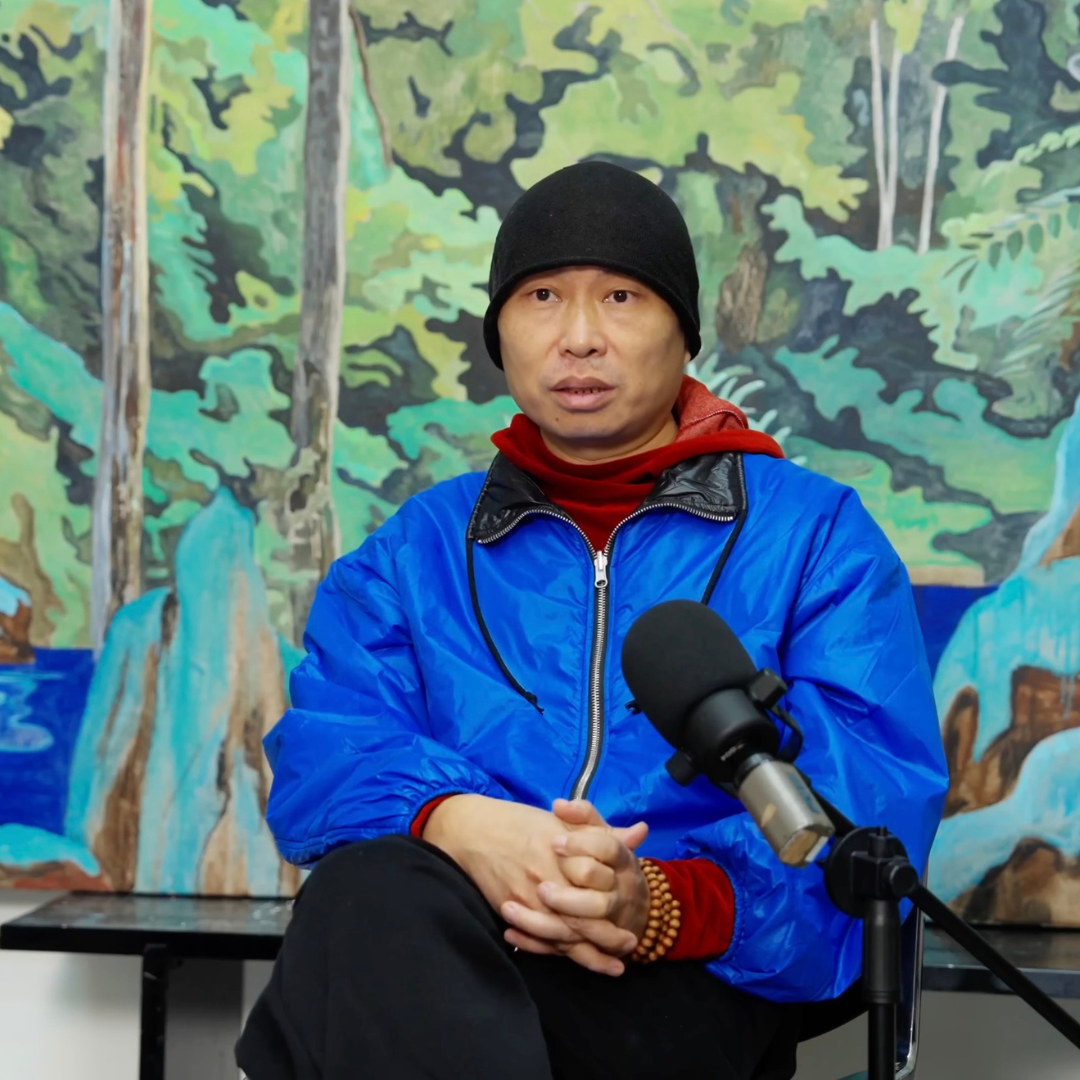
In this episode of The Pearl Lam Podcast, McClean joins cultural influencer Pearl Lam for a wide-ranging conversation that moves fluidly between law, art, and the shifting realities of the contemporary art world. Their discussion reflects his multifaceted practice as an art lawyer, writer, curator, and editor, shaped by sustained engagement with artists, institutions, and markets. Together, they explore questions of authentication and expertise at a moment of rapid technological change, examining how tools such as artificial intelligence may assist — but not replace — human judgment, even as interest in Old Masters continues to resurge. The conversation also addresses blockchain, legacy, and custodianship, considering how artworks are preserved, transferred, and recontextualised across generations. Throughout, McClean offers measured insight into the evolving responsibilities of artists, collectors, and institutions, and the new ways in which art is being curated and presented today.