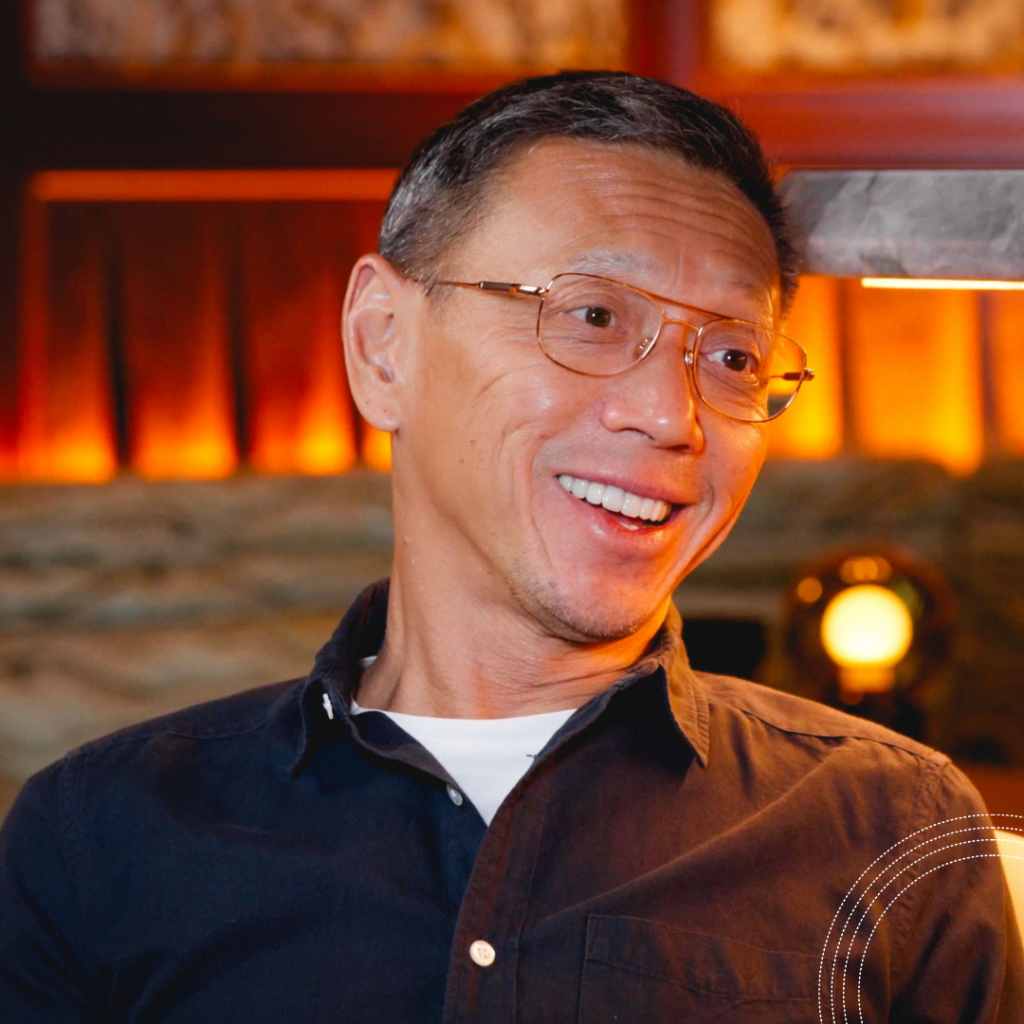
Gilbert Yeung is a Hong Kong entrepreneur and nightlife pioneer best known as the founder of Dragon-i, one of the city’s most iconic nightclubs. Over more than two decades, he has helped shape Hong Kong’s nightlife and hospitality landscape, creating spaces where music, fashion, entertainment and international culture intersect.
Having studied in England and Canada, Yeung returned to Hong Kong and became involved in the city’s entertainment scene through event production and fashion parties. In 2002, he founded Dragon-i, which quickly established itself as a destination for international celebrities, musicians, designers and Hong Kong’s social elite. The venue became known not only for its atmosphere and music but also for its carefully cultivated identity, bringing together people from different cultural and professional backgrounds.
At the centre of Yeung’s approach is an understanding of nightlife as more than entertainment. From the design of a venue to the music, atmosphere and even the people admitted through its doors, he sees each element as contributing to the overall experience. His philosophy of hospitality reflects an interest in human behaviour, social dynamics and the relationships that make a place distinctive.
Beyond Dragon-i, Yeung has developed venues including Tazmania Ballroom and Cassio, extending his influence across Hong Kong’s hospitality industry. His career has unfolded alongside the city’s transformation into an international cultural and financial centre, giving him a distinctive perspective on the changing character of Hong Kong’s social life.
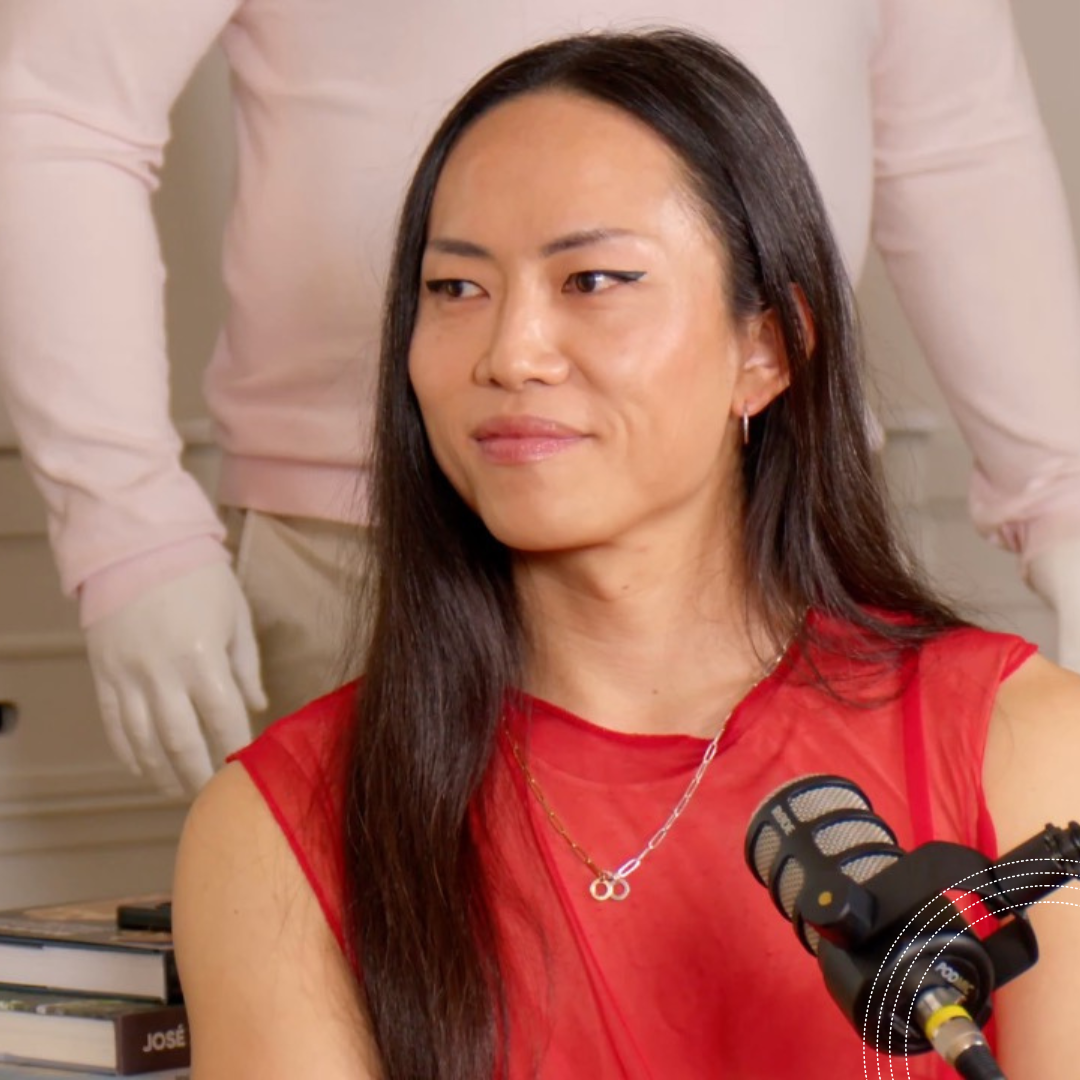
On the Pearl Lam Podcast, Gilbert Yeung joins Pearl Lam to reflect on Hong Kong’s nightlife, its cultural evolution and the art of creating an unforgettable social experience. From the psychology behind Dragon-i’s famous door policy to the design and energy that transformed the city’s club scene, their conversation revisits an era Yeung describes as “a honeymoon for 30 years.” Together, they explore what made Hong Kong’s nightlife exceptional and how the city’s social and cultural identity has evolved over time.